In the last year, padel has been experiencing an explosive and sustained growth trend in East Anglia, marked by a massive surge in participation, court developments, and public awareness. It is widely considered the fastest-growing sport in the world and has transitioned from a “jet set” sport back in the early 80s in Marbella (Spain), to one nearing mainstream integration.
The rapid rise in padel’s popularity in the UK is leading to an increased incidence of foot and ankle problems, primarily overuse injuries, and while general awareness of foot health is growing, a lack of padel-specific knowledge can contribute to these issues.
Common Foot Problems in Padel Tennis
The inherent nature of padel, characterised by rapid accelerations, quick lateral movements, sudden stops, and pivoting, puts significant tension on the lower limbs. As participation in the UK has boomed, we have started seeing a rise in specific padel-related foot and ankle injuries.
Common padel-related foot problems include:
-
Plantar fasciitis: pain in the heel/arch of the foot due to strain on the plantar fascia ligament, a very common issue due to the constant tension in the calves and Achilles.
-
Achilles tendinopathies: inflammation and pain in the Achilles tendon, caused by frequent jumping and explosive movements.
-
Ankle sprains: the most common traumatic injury, often resulting from twisting the ankle during sharp changes in direction or landing awkwardly.
-
Blisters and corns: caused by repetitive trauma between the foot and ill-fitting or inappropriate footwear.
-
Stress fractures and nerve entrapments: overwork on the forefoot can lead to more serious issues like stress fractures or Morton’s neuroma.
How to Prevent Padel Foot Injuries
Here are some tips and key considerations for the prevention of common feet injuries for padel players.
-
Nail care: you should keep your toenails well-trimmed with a straight cut to prevent them from becoming ingrown or causing subungual blisters due to repetitive movements. This avoids pain, infections, and the potential loss of the nail plate (onycholysis).
-
Sweat management:
-
Use socks made of technical, breathable fibres to keep your feet dry.
-
If you experience excessive hyperhidrosis (sweating), consider antiperspirant products or ask your podiatrist for appropriate treatment. Excess moisture is a risk factor for fungal infections and other skin conditions.
-
-
Footwear fit: ensure a firm lacing that prevents your foot from sliding inside the shoe, thereby preventing friction blisters and providing stability.
-
Caution with home remedies: trust the recommendations of your podiatrist. Home remedies are not always safe or effective and can worsen ailments.
Choosing the Right Padel Shoes
Choosing the right padel shoes plays a crucial role in preventing common padel injuries such as ankle sprains, plantar fasciitis, and achilles problems. The right sole, support, and fit help protect your feet during the rapid turns and lateral movements that define the sport.
Sole type and surface:
For artificial grass surfaces (common in padel), look for shoes with soles that offer excellent grip. Many padel-specific shoes have a regular dot pattern or a clay design.
Some designs incorporate a pivot area (a circle) under the head of the first metatarsal, which facilitates the turns and changes of direction characteristic of this sport.
Cushioning and support:
The sole and midsole should provide comfortable cushioning to reduce the load on muscles and tendons and absorb vertical impacts.
Avoid non-racket sport shoes, particularly ones with soft soles, as they wear out quickly and do not provide the necessary support to prevent injuries.
Foot orthoses:
Consider the possibility of adapting your footwear to your specific foot shape using custom foot orthotics. These are prescribed after a complete biomechanical/MSK assessment of the lower limb conducted by a professional.
These are general tips for guidance. Each person has a unique technique and foot strike, so specific, personalised advice from a foot specialist such as a podiatrist is crucial for optimal foot health.
Get an MSK Assessment to Help Prevent Padel Injuries
Recurring foot or ankle pain can be incredibly frustrating, especially if it affects your ability to play padel or move comfortably on and off the court. The good news is that with the right assessment and treatment plan, these issues can be managed effectively.
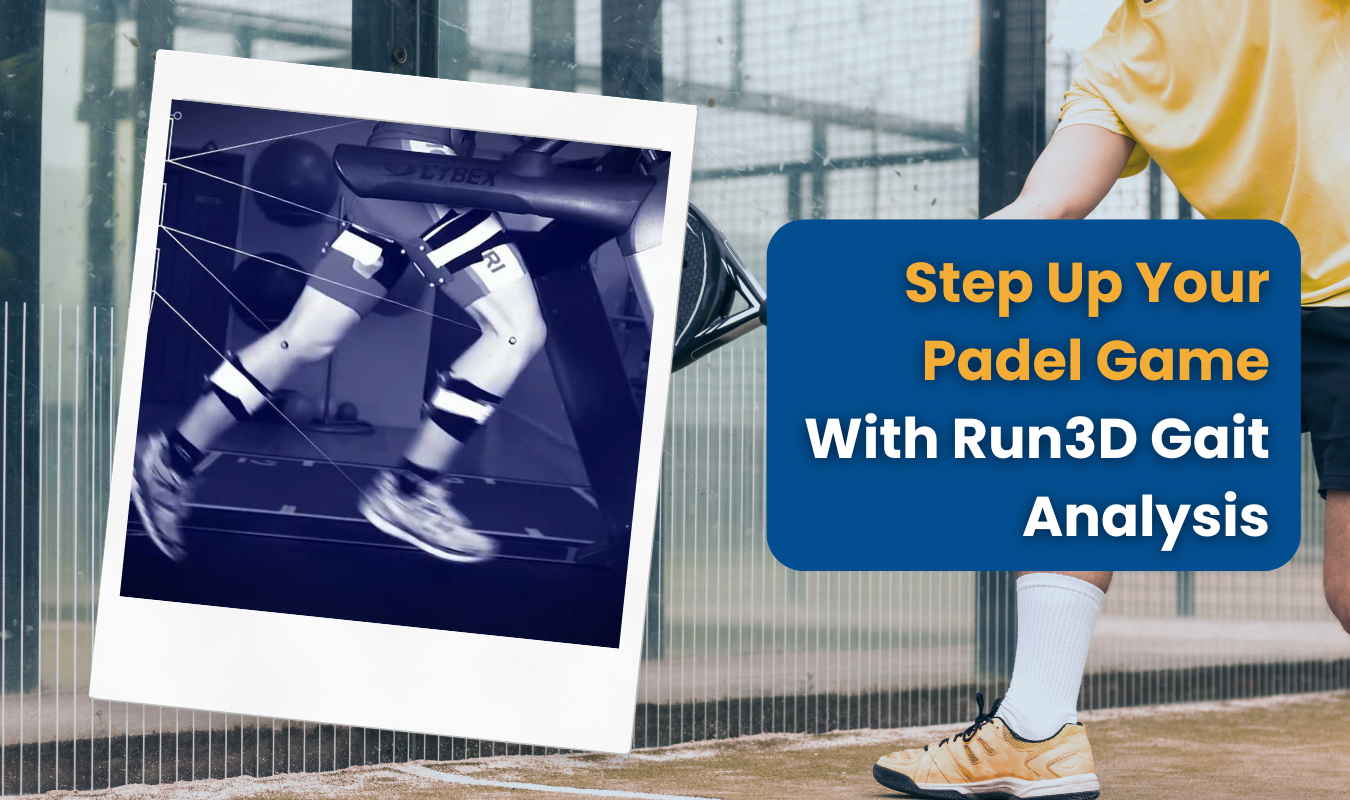
At Cutting Edge Podiatry, you’re not just getting a standard assessment, you’re accessing East Anglia’s only lab equipped with Run3D and Walk3D, technologies pioneered at Oxford University and recognised as the gold standard in gait analysis. This level of detail is especially valuable for padel players, where rapid lateral movements, pivots, and explosive acceleration place unique demands on the lower limbs.
We also provide a range of very effective treatments to support recovery from plantar fasciitis, including shockwave therapy and k-laser therapy.
You can book online or call our friendly team on 01223 633 038. No referral needed.