
Phantom limb pain is the feeling of pain coming from a limb (or part of a limb) that is no longer present – and research suggests that phantom limb pain can affect up to 80% of amputees. Some people experience a dull ache, others experience burning, stabbing, cramping, or electric shocks. It can feel upsetting and confusing, especially when the limb has been absent for months or years.
The good news is that there are evidence-based ways to reduce phantom limb pain, and many people improve over time. This guide explains the causes of phantom limb pain, and details how K-Laser therapy may form part of a wider treatment plan.
Phantom Limb Pain Vs Phantom Sensations
Phantom sensations are any non-painful feelings in the missing limb, such as tingling, movement, temperature, or the sense that the limb is still present. Phantom limb pain is when those feelings are painful. It is possible to have phantom sensations without pain, and it is also possible to have both.
Why Phantom Limb Pain Occurs
Phantom limb pain is a complex condition involving peripheral nerves, the spinal cord, and the brain. Phantom limb can also become worse during periods of stress, poor sleep, and low mood.
1) Nerve endings can become irritated in the residual limb
After an amputation, nerves that used to travel into the limb have been cut. As they heal, the ends can become sensitive. Sometimes they form a neuroma, which is a bundle of nerve tissue that can send abnormal signals.
These signals can be triggered by pressure, scar tissue, swelling, or irritation from a prosthesis socket. This can contribute to residual limb pain, and it may also feed into phantom limb pain.
2) The spinal cord can turn up the “volume” on pain signals
Your spinal cord normally filters and dampens incoming signals. After amputation, this filtering can change, which may allow pain signals to feel stronger or more persistent. This is sometimes described as central sensitisation. Read more here.
3) The brain still has a “map” of the missing limb
Dr Jens Foell has conducted groundbreaking MRI brain imaging research to look at causes of phantom limb pain and he says “The more the brain reorganises itself after amputation, the more severe phantom pain is. The area associated with the removed limb can start firing at stimulation processed in an adjacent part of the brain. Pain varies based on the context the patient lives in, and their psychological health. The brain responds to subjective experience, not objective reality.”
This explains reason why therapies that use movement, visual feedback, and retraining can help. You can watch Dr Jens Foells’ Ted Talk here.
4) Stress, Trauma, and Low-Mood can make symptoms worse
Phantom pains are real. However, your nervous system and your emotional state are connected. So, anxiety, depression, stress, and poor sleep can amplify pain and make flare ups more likely. A multidisciplinary approach is often recommended. Read more here.
Phantom Pain Videos
To help you understand phantom pain better, we have collated a selection of useful videos about phantom limb pain here.
What Helps Phantom Pains?
A combined treatment approach is often required for phantom pains. A practical plan usually works best, combining pain relief, movement retraining, and support for the residual limb. This clinical review describes multiple options, including medication, mirror therapy, and other physical and psychological approaches.
How K-Laser Therapy Can Help With Phantom Limb Pain
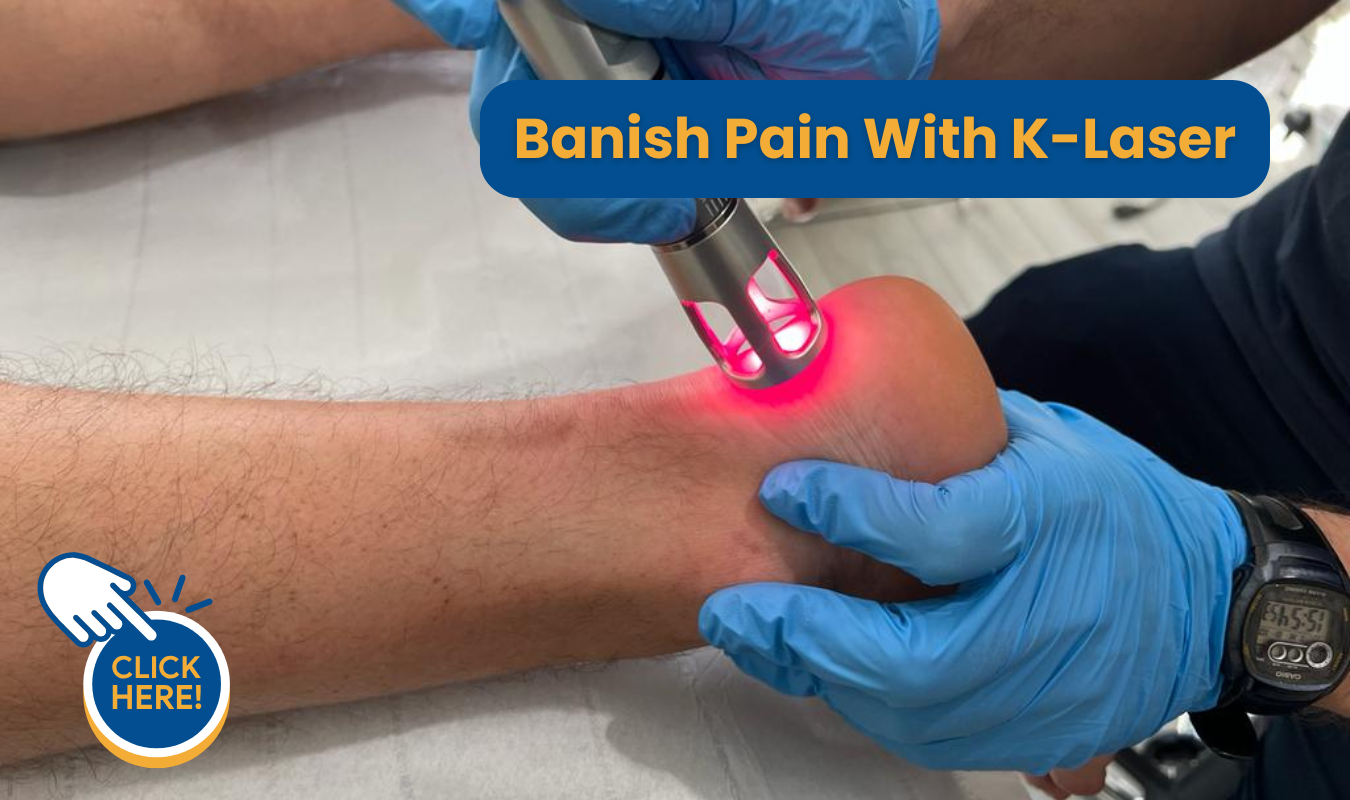
K-Laser therapy uses specific wavelengths of light to help the body heal naturally and calm pain. At Cutting Edge Podiatry, we use Class IV K-Laser, which penetrates deep into tissues to support cellular activity, improve blood flow, and reduce inflammation. Many people with nerve-related pain find K-Laser treatment helps supports the nervous system by helping to regulate pain signals and improve local circulation.
As phantom limb pain involves several factors including nerve irritation and changes in how the nervous system processes signals, K-Laser therapy can be a useful part of a wider care plan. It may help calm abnormal nerve signalling often seen in neuropathic and post-amputation pain and support overall comfort.
How Cutting Edge Podiatry Can Help With Lower Limb Phantom Pains
If you are dealing with phantom lower limb pains or persistent residual lower limb discomfort, a podiatry assessment at Cutting Edge Podiatry can help you understand what may be driving your symptoms, and whether K-Laser therapy could be useful as part of a wider plan. We aim to help you reduce pain, improve comfort, and get back to everyday life with confidence.
You can book online or call our friendly team on 01223 633 038. No referral needed.