
Phantom limb pain and phantom sensations affect 80% of people after amputation. Many describe feeling movement, pressure, itching, or pain in a limb that is no longer physically there. While the experience can be distressing, learning how the brain and nervous system respond to limb loss can be reassuring and empowering.
We have pulled together a selection of videos that explain phantom limb pain, the neuroscience behind it, and commonly explored self-management techniques. These resources are intended to support understanding and education for amputees, families, and carers.
Why Phantom Limb Sensations Feel So Real
This short TED-Ed session with Joshua W. Pate explains why phantom limb sensations can feel vivid and lifelike (Can You Still Feel a Limb That is Gone?). It explores how the brain’s body map continues to function after amputation, allowing people to feel fingers move, pressure from clothing, or even pain in a missing limb.
2-Minute Neuroscience: Phantom Limb
This video provides a clear overview of phantom limb sensations and phantom pain, including why they occur and how common they are. It introduces key theories such as cortical reorganisation, persistent body representation, and the possible role of neuromas in generating pain signals.
How the Nervous System Processes Pain Signals
Understanding how neurons communicate helps explain why pain signals can persist even after a limb has been removed. This 2-minute neuroscience video explains synapses, neurotransmitters, and how signals are passed, amplified, or reduced within the nervous system.
Phantom Limb Pain, Perception, and the Brain
In this TED Talk, Dr Jens Foell discusses how the brain reorganises itself after amputation and how this reorganisation can influence pain intensity. The talk highlights how pain perception is shaped by lived experience, psychological health, and context – not just physical changes.
Phantom Pain and Treatment – Dr Andrea Furlan Interviews Dr Katleho Limakatso
This in-depth discussion between Dr Andrea Furlan and Dr Katleho Limakatso explores the mechanisms behind post-amputation pain and reviews current thinking around rehabilitation-based approaches used worldwide.
How Mirror Therapy Can Help With Phantom Pain
This practical, step-by-step video shows how mirror therapy is commonly performed, often with guidance from a physiotherapist or occupational therapist.
How Retraining The Brain Can Help With Phantom Pain
Professor V.S. Ramachandran explores how retraining the brain can sometimes reduce phantom limb pain, highlighting the powerful link between perception, movement, and sensation.
Dr Berg Discusses How to Get Rid of Phantom Pain Fast
In this video, Dr Berg discusses sensory stimulation techniques, including stimulating the opposite limb, and explains how neurological circuits on each side of the body interact.
Read More About Phantom Limb Pain
In our blog, we discuss phantom limb pain in more detail, including why it occurs, and how K-Laser Therapy can help. Read more here.
How Cutting Edge Podiatry Can Help With Lower Limb Phantom Pains
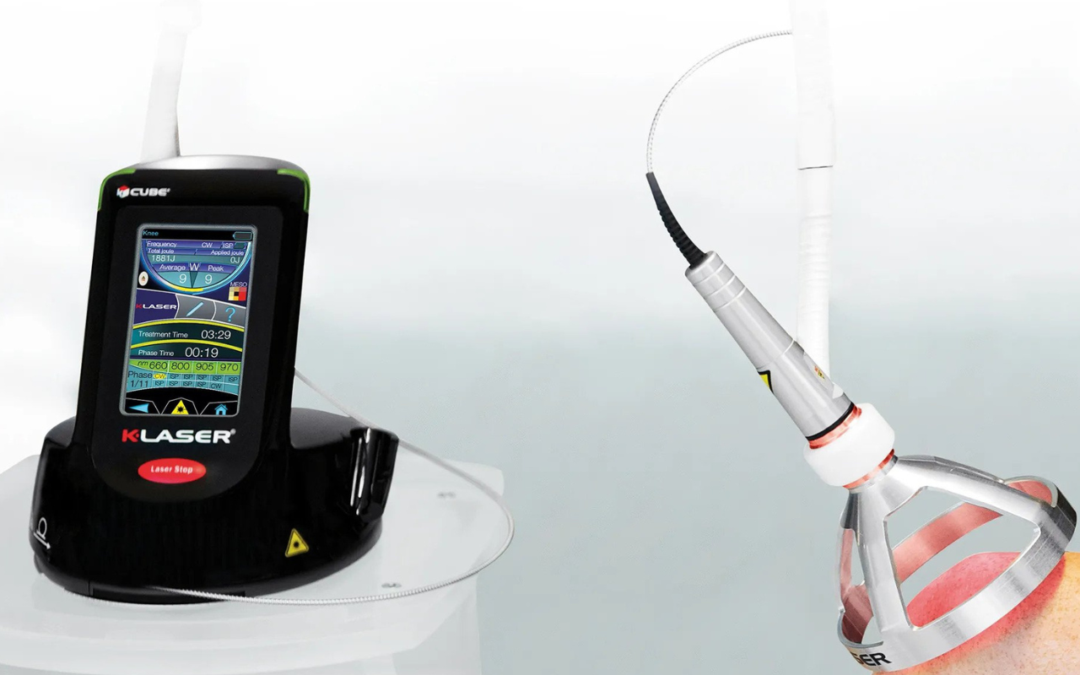
K-Laser therapy uses specific wavelengths of light to support the body’s natural healing processes and calm pain, and at Cutting Edge Podiatry we use advanced Class IV K-Laser to penetrate deep into tissues, supporting cellular activity, improving blood flow, and reducing inflammation. For people experiencing phantom limb pain, where symptoms are often linked to nerve irritation and altered pain signalling, K-Laser therapy may help calm abnormal nerve activity, support the nervous system, and improve local circulation as part of a wider care plan.
We aim to help you reduce pain, improve comfort, and get back to everyday life with confidence.
You can book online or call our friendly team on 01223 633 038. No referral needed.