
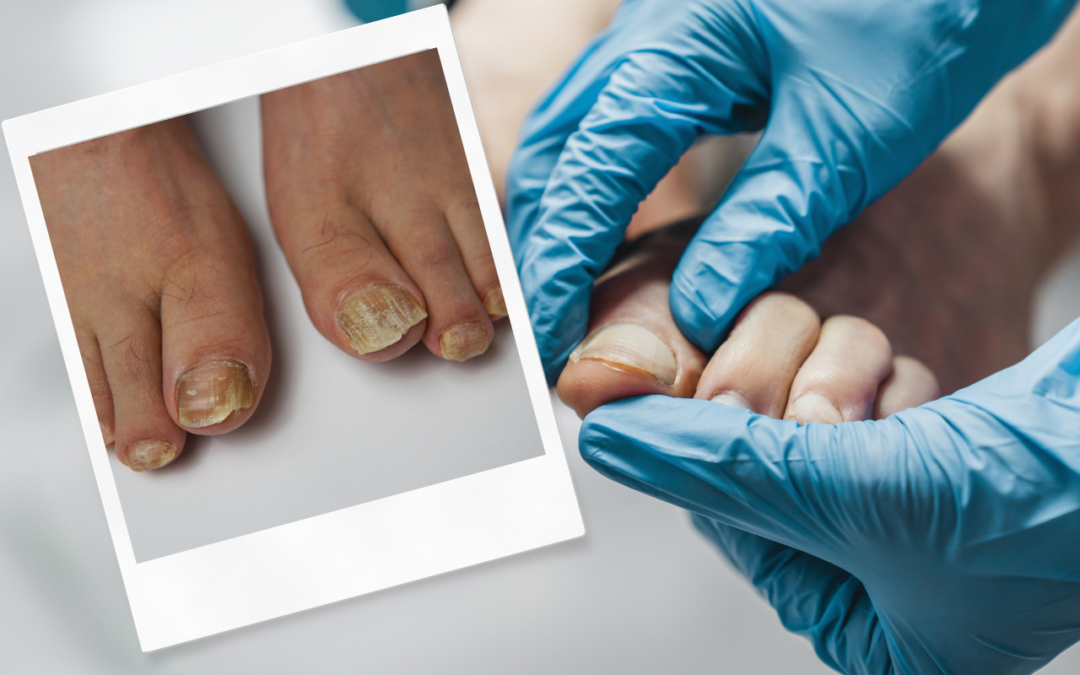
Fungal nail infections, medically known as onychomycosis, are very common. Although often dismissed as a cosmetic concern, they are actually a persistent infection of the nail and surrounding tissues. Because fungal organisms thrive in warm, enclosed environments such as shoes and socks, toenails are far more commonly affected than fingernails.
Many people put off seeking treatment, assuming the problem is simply cosmetic or not serious. However, fungal nails rarely improve without intervention. In most cases, the infection slowly worsens over time, making treatment more difficult the longer it is left untreated. Seeking help early can significantly improve treatment success and prevent further complications.
Why Early Treatment of Fungal Toenails Is Important
1. It’s Easier to Treat Fungal Nails Early
When fungal infections are treated in the early stages, they are usually confined to a smaller part of the nail. This often means:
- Shorter treatment times
- Less invasive treatment approaches
- Higher success rates
Once the fungus spreads deeper into the nail or across multiple nails, treatment typically becomes more complex and prolonged.
2. Early Treatment Helps Prevent the Toenail Infection from Spreading
Fungal nail infections can spread easily if left untreated. The infection may:
- Spread to other nails
- Infect the surrounding skin (e.g. athlete’s foot)
- Spread to family members through shared bathrooms or flooring
Early treatment reduces the risk of the infection spreading to other areas of the foot or to other people in the household.
3. Early Treatment Prevents Thickened and Painful Nails
If fungal nails are left untreated, they can become thick and misshapen, leading to:
-
Pain when wearing shoes
-
Pressure-related corns or calluses
-
Difficulty cutting nails
Early treatment helps maintain a more normal nail shape and keeps your feet comfortable.
4. Early Treatment of Fungal Nails Reduces Risks for Vulnerable People
Some people are more vulnerable to complications from fungal nail infections, including those with:
-
Diabetes
-
Reduced circulation
-
Weakened immune systems
In these individuals, fungal nails may increase the risk of skin breakdown or secondary infection. Early podiatry care is particularly important in these cases.
5. Early Treatment Helps Restore Confidence Quicker
Many people feel self-conscious about the appearance of fungal nails, especially during warmer months when wearing sandals or going barefoot. Addressing the issue early can:
- Improve nail appearance sooner
- Prevent long-term nail damage
- Restore confidence in social situations
Fungal Toenail Treatment Options
Treatment depends on the severity of the infection and your individual circumstances. Management may include:
-
Professional nail reduction and debridement
-
Targeted antifungal treatments
-
Prescription therapies where appropriate
-
Advice to reduce reinfection risk
In some cases, diagnostic testing may be recommended to confirm the infection before treatment. You can learn more about fungal nail testing here.
Don’t Wait For Fungal Nails to Get Worse!
A common misconception is that fungal nails will simply “grow out.” In reality, fungal infections rarely resolve without proper treatment and tend to worsen over time.
It is advisable to have your nails checked as soon as possible if you notice any of the following signs:
• Discolouration
• Thickening
• Crumbling nail edges
• Nails lifting from the bed
Treat Fungal Toenails With Cutting Edge Podiatry
If you are unsure whether a change in your nail is due to a fungal infection, a professional assessment at Cutting Edge Podiatry can provide certainty and a treatment plan tailored to your condition.
For difficult nails, our podiatrists can reduce thickness and improve comfort. We offer the Poderm Method (a natural and effective option for treating fungal nail infections), Clearanail for precise micro-drilling that enables treatment to reach deep into the nail, and K-Laser therapy to stimulate healing and fight infection.
Contact our Cambridge-based podiatry clinic today and take the first step towards healthier feet. You can book online or call our friendly team on 01223 633 038. No referral needed.