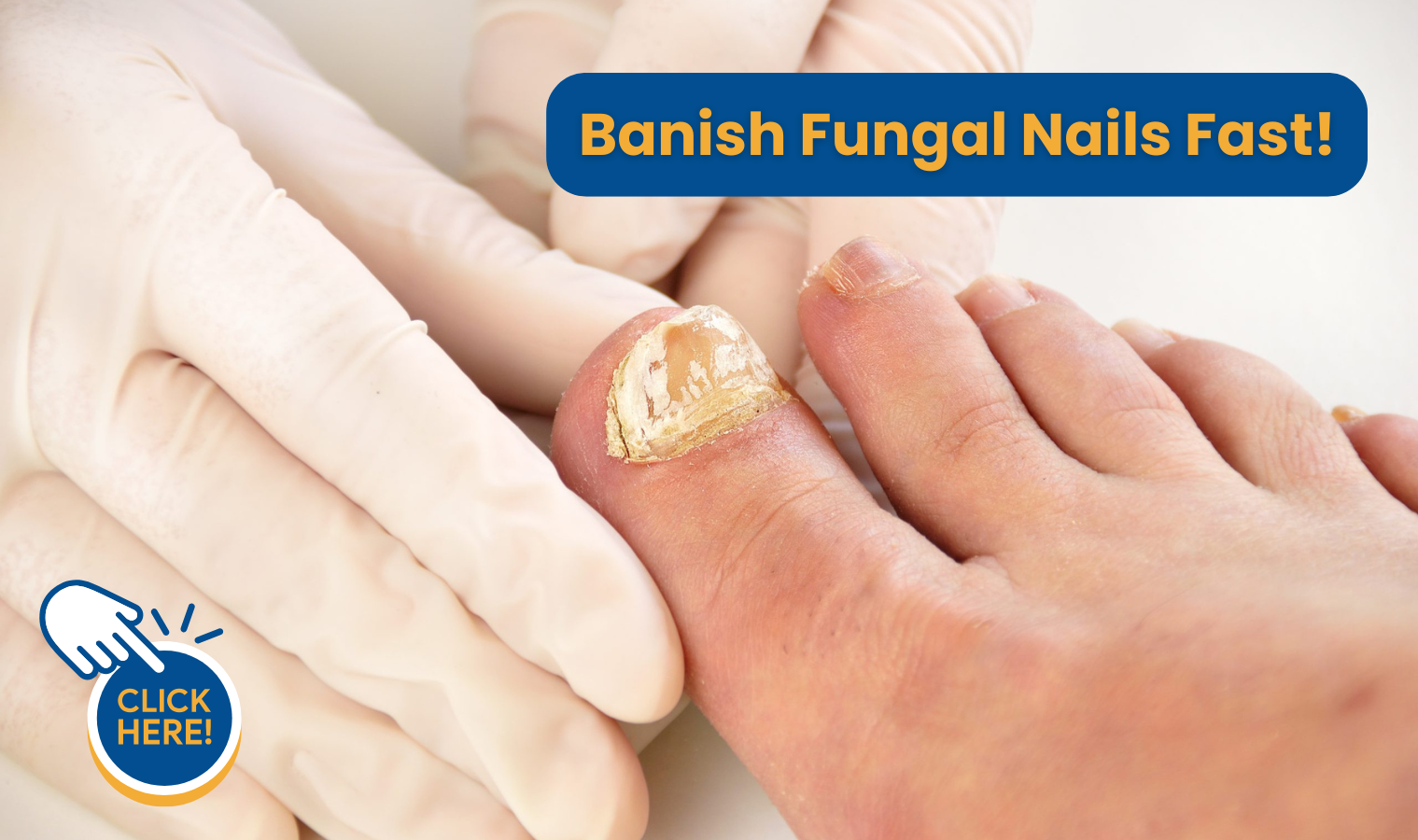

Fungal nail infection, or onychomycosis, is caused by dermatophyte fungi in around 90% of toenail cases, and it is a genuinely difficult condition to cure. Published research suggests treatment failure rates can be at least 25% even in strong clinical trials, while failure rates with some topical treatments can exceed 60%.
That context matters, because it explains why so many different approaches exist and why none of them work 100%. Adherence to the treatment plan at home is also a necessity.
What Does Fungal Nail Treatment Research Tell Us?
Oral Antifungals
Oral antifungals, including terbinafine and itraconazole, have the strongest track record for mycological cure. A well-designed randomised trial found terbinafine achieved a complete mycological cure in 56% of patients at 10 months, clearly outperforming the topical treatments studied.
Topical Antifungals
Topical antifungal lacquers, including amorolfine and ciclopirox, are generally better tolerated but less effective. In the trial above, amorolfine achieved complete mycological cure in 8% of patients, while another topical resin lacquer achieved 13%.
Topical treatments are generally more suited to milder infections or situations where oral treatment isn’t appropriate.
One of their main limitations is penetration. The nail itself forms a barrier, making it difficult for topical treatments to reach dermatophytes beneath a thickened or damaged nail.
Laser Treatment of Fungal Infections
Laser treatment has been studied as a lower-side-effect alternative. Some research suggests it can perform comparably to terbinafine, although reviewers note that further large-scale randomised controlled trials are still needed.
Why Are Combination Fungal Nail Treatments Used?
Combination approaches, pairing a device-based or mechanical treatment with a topical or oral antifungal, have shown better results than either approach alone in some studies.
Research also supports combining nail trimming or debridement with antifungal treatment to improve effectiveness. Reducing thickened or damaged nail can make it easier for a topical treatment to reach the areas where it is needed.
Where Does the Poderm Method Fit In?
The Poderm Method sits within this combination category: mechanical debridement paired with a topical, biomimetic serum, rather than relying on a single mechanism.
This general principle, clearing away fungal-affected and damaged nail so a topical treatment can penetrate more effectively, lines up with research showing that topical agents alone can struggle to reach dermatophytes hidden beneath thickened nail.
As a newer, patented protocol, however, the Poderm Method doesn’t yet have the same volume of independent, peer-reviewed clinical trial data behind it that decades-old oral and topical treatments have accumulated. Its reputation has instead grown through its use in clinics and increasingly widespread adoption across Europe.
The Poderm Method combines professional nail preparation with a structured home-treatment programme and regular follow-up appointments. You can read more about how the Poderm Method works here.
Choosing the Right Fungal Nail Treatment
The research makes one thing clear: there isn’t a single fungal nail treatment that works for everyone.
The extent of the infection, thickness and condition of the nail, the type of fungus involved, other medications and health conditions, and how consistently treatment can be followed can all affect the outcome.
At Cutting Edge Podiatry, we offer a range of fungal nail treatment options and can recommend the most appropriate approach for your individual nails.
For more about Poderm, you can also read the story behind the Poderm Method or find out about Poderm Colour Care varnish. You may also find our prevention guide helpful:
How to prevent fungal nails – simple footcare tips from a podiatrist.
You can book fungal nail treatments online or call our friendly team on 01223 633 038. No referral needed.